

The Estate Journal.

The Cost of Ambiguity: Why Loose Agreements Create Lasting Problems on Estates
A handshake agreement seemed simple enough: hunting access in exchange for mowing services. No paperwork, no complications. Three years later, two different estate owners found themselves dealing with property damage, boundary disputes, and legal fees that dwarfed what professional services would have cost. The difference between estates that run smoothly and those that don't often comes down to one thing: whether clarity was established from the start, or whether everyone just assumed things would work out. Read more about why informal arrangements on large properties rarely stay simple, and what successful estates do differently.

The Yard I Don't Know How to Manage
Moving from a 750-acre farm to a wooded suburban lot changed more than my address — it changed how I think about management itself.
When I ran out of space for all the leaves, I realized that sometimes the best way to manage land is to let it manage itself. Letting sections of the yard return to nature has been humbling and surprisingly instructive.
It also revealed a gap in my network — I didn’t have a trusted expert in native landscaping or small-scale habitat restoration. So I’m expanding The Estate Alliance to include professionals who understand this quieter kind of stewardship.

The Inventory Season: Accounting for the Year That Just Passed
Every November, the estate enters its most honest season. Growth slows, noise fades, and what remains is the truth of the year behind it—what held, what failed, and what it all cost.
This is the inventory season: the pause between years when stewardship shifts from doing to understanding. It’s when the estate’s memory—found in soil, systems, finances, and people—is gathered, measured, and prepared for renewal.

Cycles of Continuity: Decay, Renewal, and the Work Between
Every estate carries the quiet rhythm of decay. Driveways crack, software ages, people move on. But decay isn’t failure—it’s the signal that renewal is due.
From road grading and irrigation audits to cybersecurity updates and staff training, stewardship means designing renewal into every system before decline appears. Today, even institutional knowledge lives within a shared digital estate manual—preserving not just operations, but continuity.
True estate management isn’t about preventing change. It’s about staying in rhythm with it.

There Will Be Hard Times
Hard work has a way of teaching the same lessons over and over—patience, consistency, and the quiet value of persistence. When a large pile of mulch needed to be moved up our hill by hand, I decided to do it myself—one wheelbarrow at a time.
What began as a simple physical task became a reminder that most worthwhile things, in work and in life, happen the same way: gradually, through steady effort when no one’s watching. In estate management and beyond, the hard times are rarely dramatic—they’re handled the same way a hill of mulch is moved: one load at a time.

Technology and Intuition: Balancing Sensors with Common Sense
Technology can monitor almost everything on an estate—moisture levels, temperature, irrigation cycles—but it can’t interpret what those readings mean on the ground. A skipped irrigation cycle looks harmless on a dashboard until boxwoods start showing stress. True estate management lies in the balance between data and presence: knowing when to trust the sensors and when to walk the property yourself.

The Skilled Steward: Why Physical Ability and Trade Knowledge Still Matter in Estate Management
True estate management isn't just administrative—it's physical. Knowing when to call a contractor is useful; knowing why a wall leaks, how water moves through clay soil, and what it takes to fix it properly is essential. When a root cellar leak appeared on a property I manage, experience told me that an interior patch wouldn't last. The only real fix was on the exterior, where hydrostatic pressure works with waterproofing instead of against it.
Trade knowledge and physical ability don't just solve problems—they build judgment, credibility, and resilience. Stewardship demands both intellect and endurance: the mind to understand and the willingness to engage.

When Owner Priorities and Manager Expertise Don't Align
Estate management isn’t about finding the one “right” answer—it’s about navigating trade-offs. Owners weigh cost against ecology, efficiency against tradition, profitability against personal values. The role of a professional manager isn’t to persuade them toward a preferred outcome, but to present the full picture clearly and execute their decision with competence. In this article, I explore why owner priorities and manager expertise sometimes diverge, and how trust is built when guidance is offered without agenda.

Why Every Estate Needs Regular, Ground-Level Walkthroughs
Most estate inspections happen from a vehicle—and that’s exactly why costly failures go unnoticed until they explode into emergencies. A culvert looks fine from the road until it blows out under storm pressure. Tree stress hides until a summer storm drops a limb. Drainage failures whisper long before they roar.
In Virginia’s soils and weather, the most expensive problems always show up first at ground level. This article explores why regular walkthroughs matter, what subtle signals they reveal, and how they form the foundation of estate preservation.

Transitions Without Structure: What Estate Sales Often Overlook
Transitions Without Structure: What Estate Sales Often Overlook
When an estate changes ownership, it brings more than new stewardship — it brings questions. Who keeps access? Who has agreements? Who expects continuity? Without clear documentation or professional oversight, new owners inherit not just land, but legacy arrangements, informal commitments, and potential liabilities. This article explores how structure protects everyone involved in an estate sale — buyers, sellers, and everyone in between.
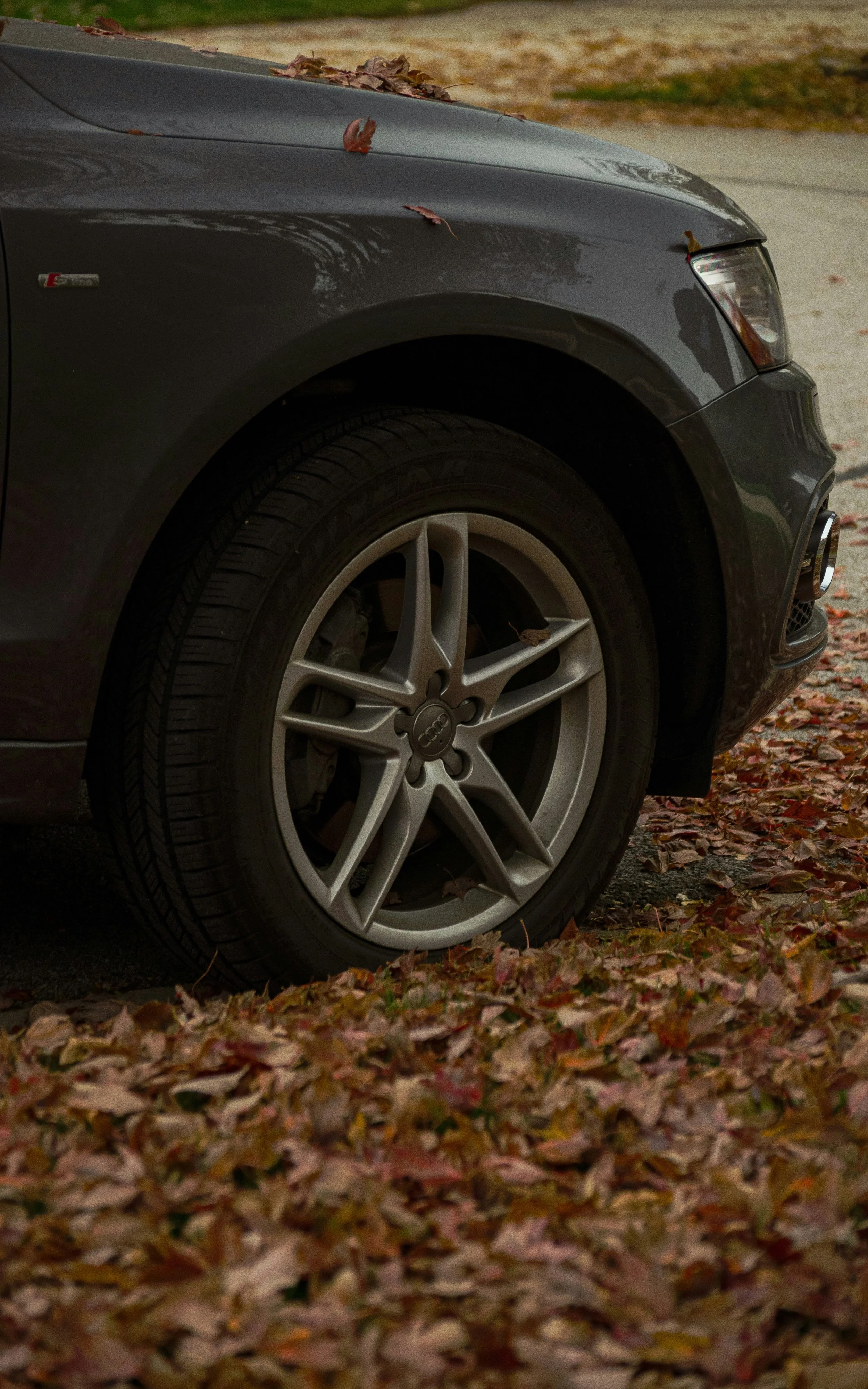
Estate Vehicles: Fall Maintenance to Avoid Winter
Estate Vehicles: Fall Maintenance to Avoid Winter Breakdowns
On many estates, vehicles aren’t just transportation — they’re infrastructure. From utility trucks to UTVs, these systems must perform under pressure. Fall is the last opportunity to address maintenance issues before cold weather magnifies small failures. This article explores what most owners overlook, and what should be checked now — before winter makes readiness non-negotiable.
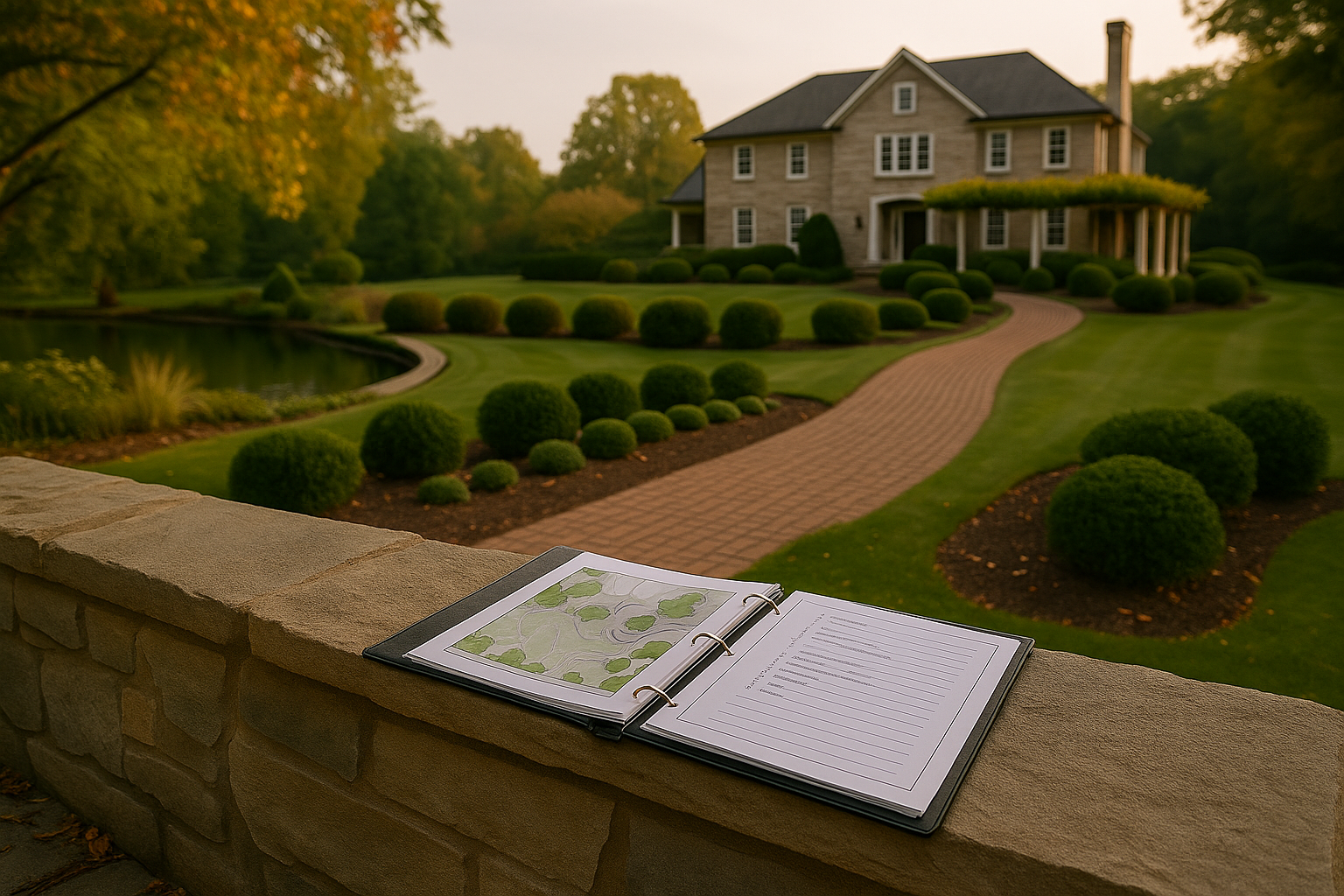
Why You Still Need Estate Management — Even If You Already Have Staff
Even the most trusted caretakers or estate managers can't do it all — and shouldn't be expected to. From missed insurance updates to unmonitored tree health, risk accumulates quietly on even the best-managed properties. This article explores why independent oversight, continuity planning, and structured support matter — not just in emergencies, but in the day-to-day preservation of complex estates.

High-Value Property Security: Are You Vulnerable During Vacation Season?
Summer travel introduces a predictable vulnerability for high-value estates — and standard security systems aren’t built to handle it. From rigid automation patterns to blind surveillance zones, the signals of absence are more visible than most owners realize.
This post explores the six critical risks that emerge when an estate is left unattended, and how professional estate management implements layered, verified, and adaptive security strategies to prevent intrusion, mechanical failure, and oversight gaps.
The Hidden Gaps in Estate Insurance: Why Routine Coverage Reviews Are a Core Function of Estate Management
Is Your Estate Insurance Aligned with Reality?
High-value estates often carry millions in replacement value—but most policies haven’t been reviewed in years. That means new assets may be uninsured, updates may be undocumented, and small changes—like a new generator or security upgrade—can introduce major liabilities.
Smart estate management treats insurance as a living document. From coordinating annual reviews and tracking high-value additions to verifying compliance and documenting seasonal risks, a proactive approach can mean the difference between a seamless claim and a devastating loss.
In Central Virginia, evolving threats—from flash floods to fire access issues—demand local knowledge and year-round oversight. This article explores how experienced estate managers close insurance gaps before they become financial catastrophes.

Seasonal Pond & Water Feature Maintenance Before Fall Leaves Arrive
Most estate owners wait until fall leaves start dropping to think about water feature maintenance—by then, the damage is already in motion.
Ponds and fountains aren’t just beautiful—they’re biological systems under constant pressure. Late summer is the critical moment to intervene before warm water, organic overload, and incoming debris push these systems into failure. Learn how proactive late-summer care preserves both the function and the appearance of your estate’s most tranquil features.

Preparing Your Estate for Late Summer Storms: The Critical Vulnerabilities Most Overlook
Foundation damage from water intrusion represents one of the most costly and preventable problems facing Central Virginia estate owners—damage that typically results from overlooked vulnerabilities that surface when late summer storms test weakened infrastructure. Sophisticated estate owners understand that storm damage rarely begins with the weather itself—it begins with vulnerabilities revealed when environmental pressure meets fatigued infrastructure. By late summer, gutters contain months of debris, drainage systems operate at reduced efficiency, and backup systems go untested until storms expose their failure.
For high-value estates, systematic storm preparation isn't seasonal maintenance. It's asset protection.
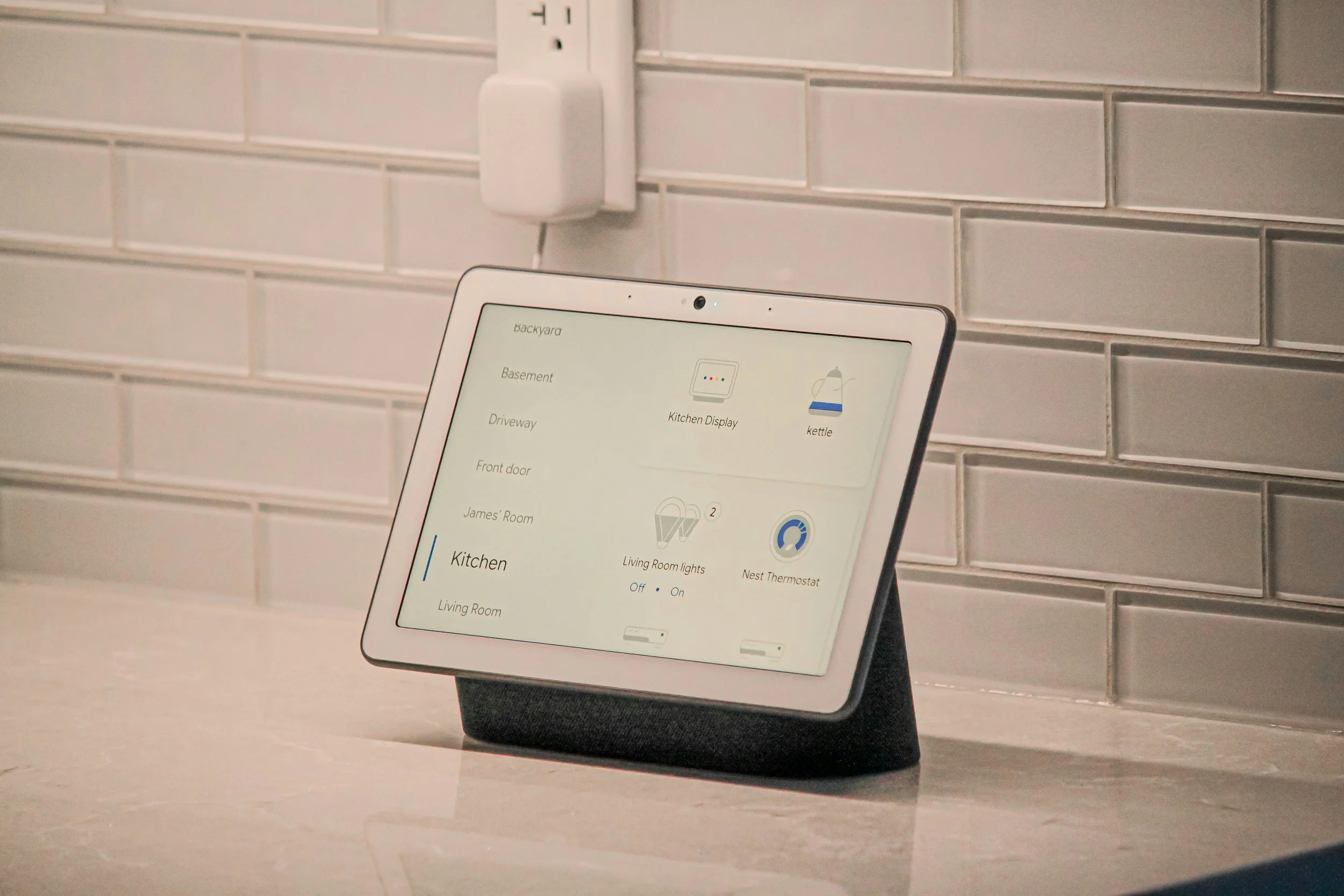
Smart Estate Monitoring: Beyond Convenience to Asset Protection
Consumer-grade smart home devices offer convenience. But true estate protection demands something more: systems designed not just to automate, but to anticipate. Professional estate monitoring shifts the focus from entertainment to foresight—identifying water leaks, temperature shifts, humidity issues, equipment failures, and power anomalies before they compromise safety, property value, or operational continuity.
For high-value estates, this level of integration isn’t a luxury. It’s a requirement.

The Professional's Eye: Reading Estate Exteriors Beyond the Obvious:
Most inspections stop at surface-level observations — but professional estate management looks deeper. The difference lies in perspective, methodology, and intent. From bidirectional structure assessments to rain-day diagnostics, this post explores how subtle exterior signals — often ignored — can reveal costly, systemic risks.
For owners and vendors who understand that real property protection begins before things go wrong, this is a guide to seeing what others overlook.
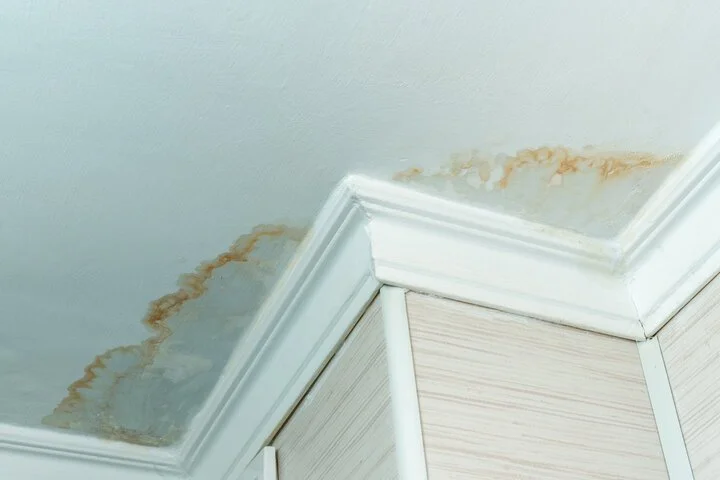
The Hidden Vulnerabilities: 10 Estate Risks That Demand Quarterly Oversight
The most catastrophic estate failures rarely result from dramatic events—they begin with minor components quietly failing out of sight. A brittle washing machine hose. A clogged condensate drain. A forgotten sump pump. These small oversights can cause six-figure damage when left unchecked.
In this article, we examine ten hidden vulnerabilities that demand systematic attention. For estate owners serious about long-term asset protection, quarterly oversight isn’t optional—it’s essential.
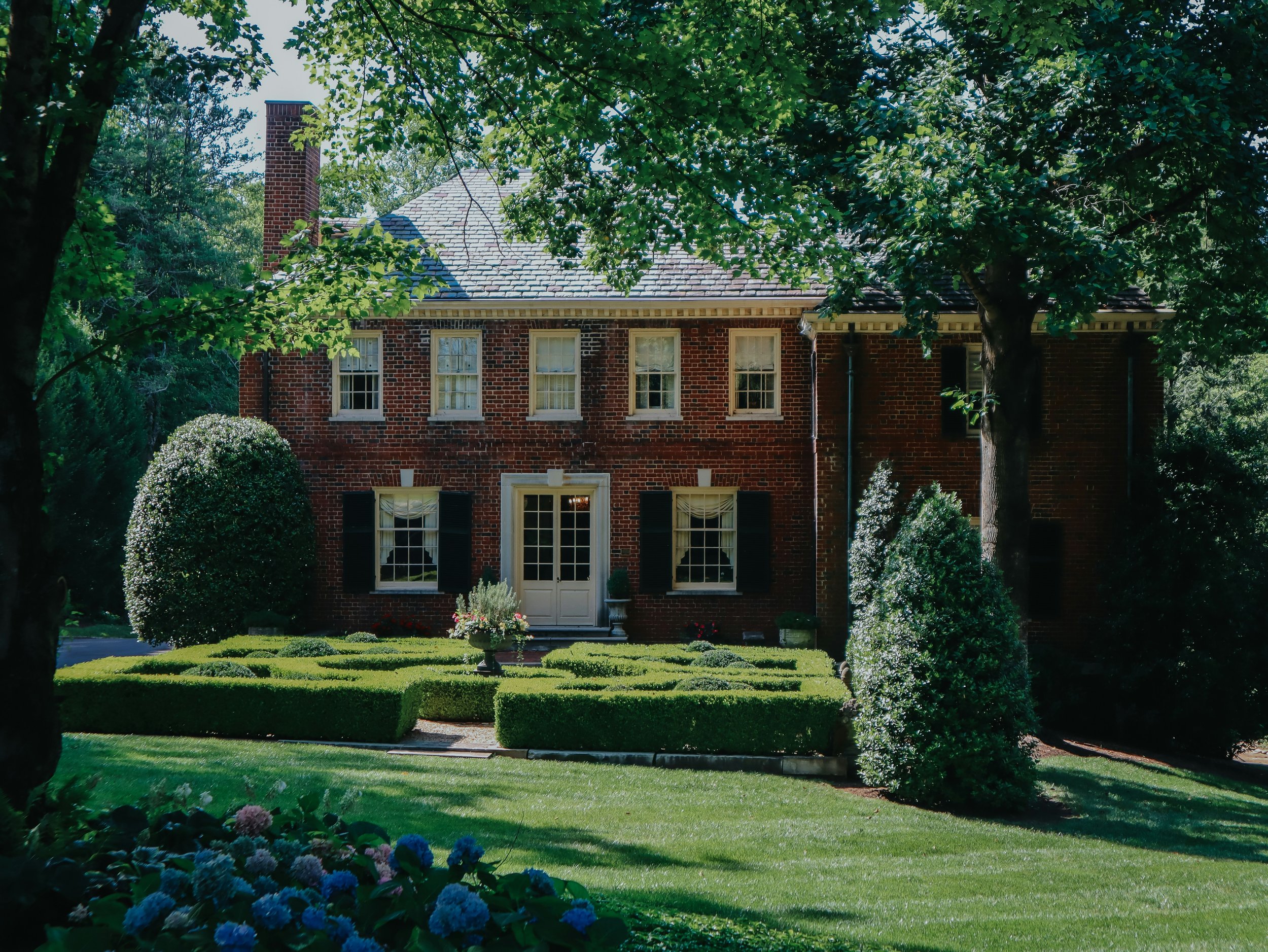
The Strategic Imperative of Professional Estate Management
High-value real estate represents more than mere ownership—it embodies a complex asset requiring sophisticated stewardship. The mathematics are unforgiving: preventive professional oversight typically costs a fraction of reactive emergency repairs. What begins as a minor drainage issue can evolve into structural foundation problems, landscape erosion, and ultimately, significant depreciation of property value. For discerning property owners who understand that true luxury lies in seamless, worry-free enjoyment of their investments, professional estate management represents not just a service, but a strategic necessity.